City and trail
Hybrid bikes between city and trail: versatile, equally at home on tarmac, bike paths and light trails.
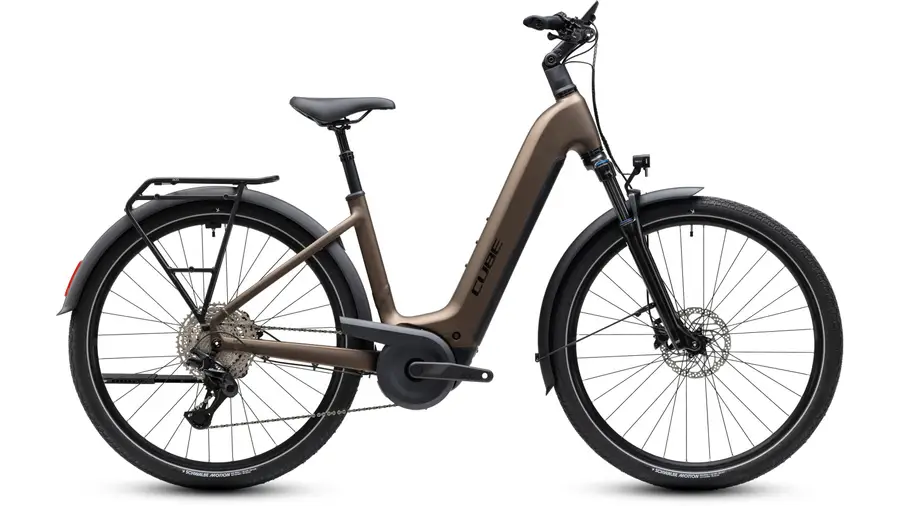
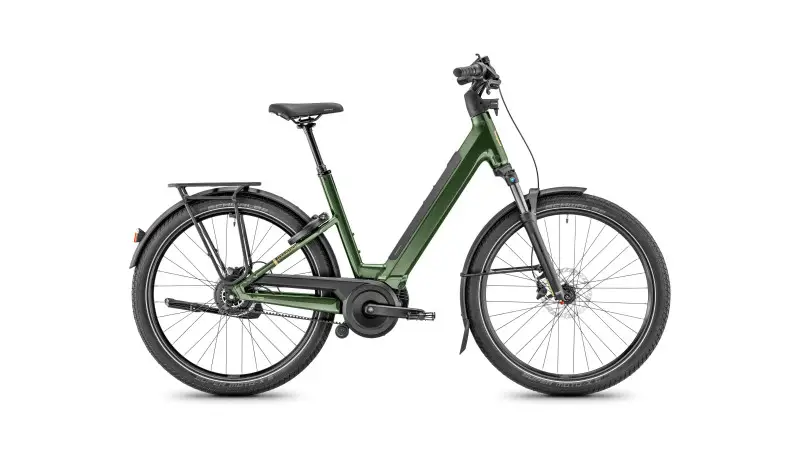
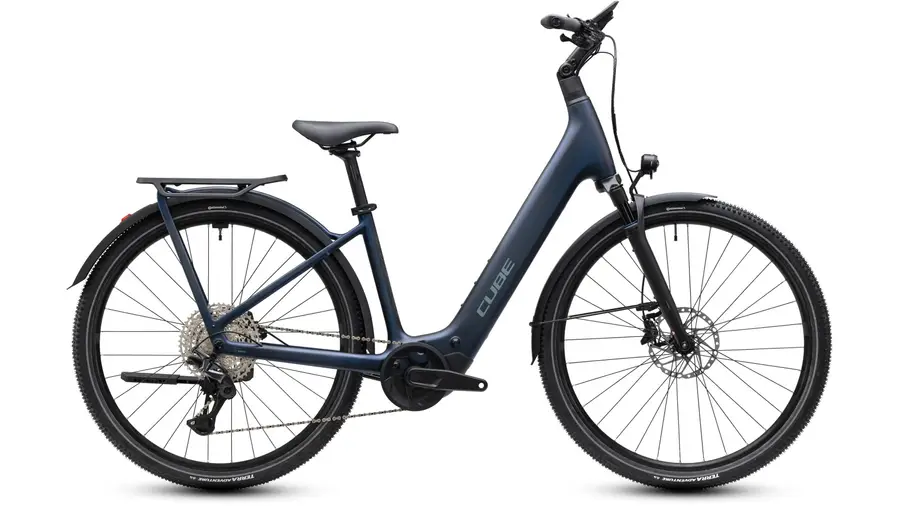
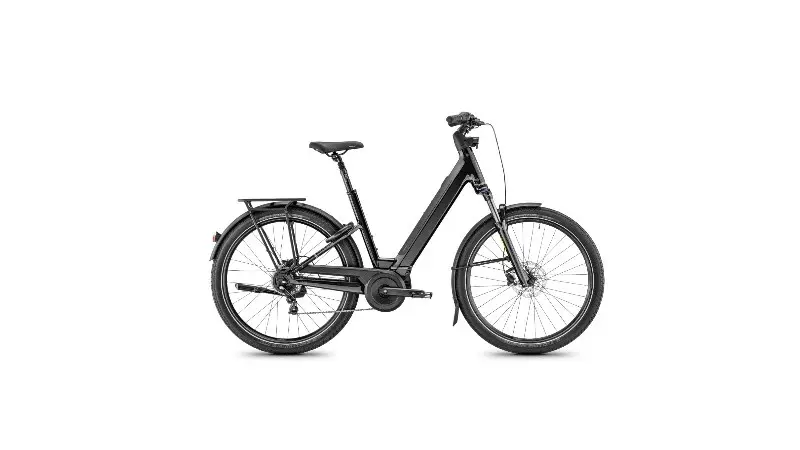
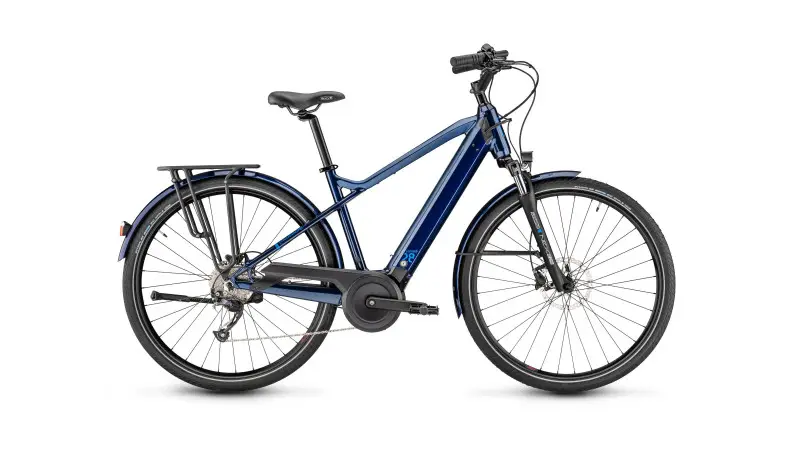
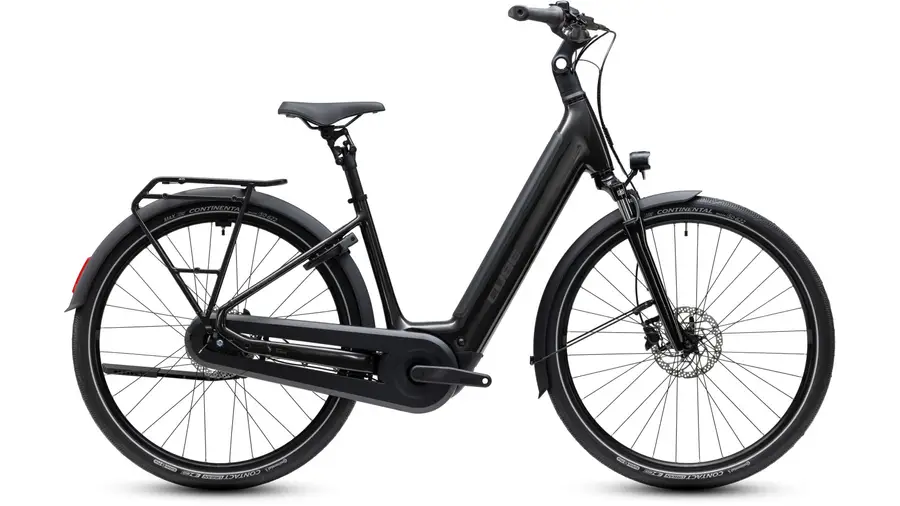
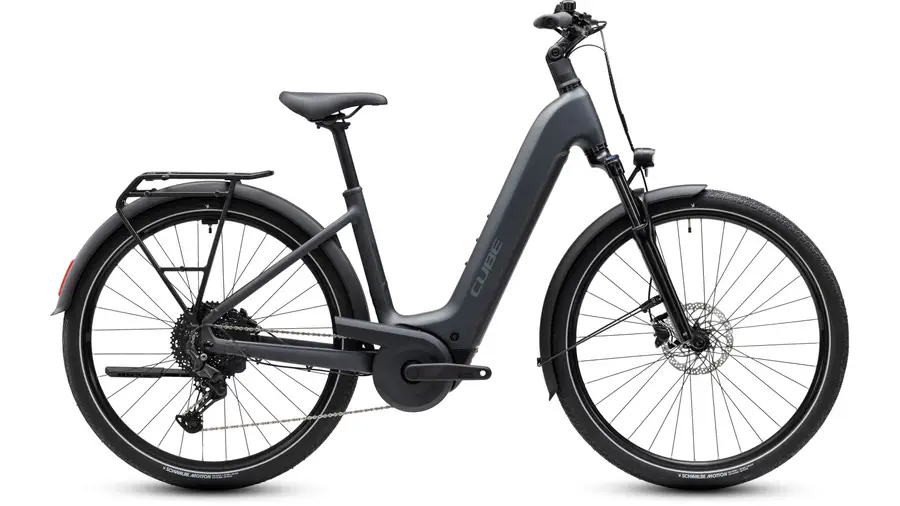
A city-and-trail bike, also known as a hybrid or trekking bike, is built for journeys that don't stop at the edge of town. Large wheels, semi-slick tyres a little wider than a city bike's and an active yet comfortable riding position: it moves from cycle lane to towpath, from the RAVeL network to a country lane, without missing a beat.
At KAMEO Bikes we offer classic and electric hybrid and trekking bikes from Cube, Giant, Kayza, Merida, Moustache, Riese & Müller and Victoria: from light, sporty hybrids for brisk rides to fully equipped electric trekking bikes for long commutes and cycle touring.
Availability legend





City, city-and-trail or all-terrain?
A city bike favours a very upright position, often a step-through frame, and is meant for short urban trips. A hybrid or trekking bike puts you slightly further forward, which pays off as distances grow, and its tyres cope with mixed surfaces: tarmac, cobbles, packed gravel and farm tracks.
An all-terrain bike goes further off the tarmac, with bigger knobbly tyres and more suspension. If you ride mostly on roads and cycle paths, with the odd unpaved stretch, a trekking bike is the right choice.
Sporty hybrid, equipped trekking or electric trekking
- Sporty hybrid: light, often without a rack, with a rigid or short-travel fork. For fast rides, fitness and trips where you want to keep the pace up.
- Equipped trekking bike: mudguards, lights, rack and kickstand fitted as standard. Ready for everyday use and for loaded touring.
- Electric trekking bike: mid-drive motor and a battery integrated into the frame, to cover long distances and climbs at a steady pace.
Most models come with a high, mixte or step-through frame: pick the one you can get on and off easily, especially when the bike is loaded.
Electric or non-electric?
A non-electric hybrid stays light, easy to maintain and pleasant on the flat. Electric assistance makes all the difference as trips get longer or hillier, as on the heights around Liège or in the Ardennes valleys. Assistance cuts out at 25 km/h: an electric trekking bike is still legally a bicycle.
If you want to ride faster every day, look at speed pedelecs (45 km/h). They are class P mopeds: number plate, insurance and helmet are compulsory.
Equipment worth checking
- Tyres: a medium width, ideally with puncture protection, for efficiency on the road and grip on tracks.
- Suspension: a suspension fork or seatpost smooths out cobbles and tracks; a rigid fork saves weight.
- Drivetrain: a derailleur for a wide gear range, an internal hub or continuously variable hub for low maintenance and shifting at a standstill.
- Hydraulic disc brakes: powerful and consistent in the rain, even with loaded panniers.
- Rack: check its maximum load and that it suits your panniers.
On Belgian roads and tracks
The trekking bike is made for Belgium: the cycle node networks, towpaths along the Meuse and the canals, the RAVeL network in Wallonia and quiet country roads between towns. With mudguards and lights it handles the commute all year round, then becomes your touring bike at the weekend.
Test rides, financing and servicing
Come and compare riding positions and frames at our shops in Liège and Brussels (Uccle). You can buy your trekking bike or finance it through your employer's bike lease; the electric models are also available through renting. For servicing, a tune-up or extra equipment, book an appointment at our workshops.
Frequently asked questions
What is the difference between a hybrid and a trekking bike?
The terms overlap a lot. A hybrid usually means a light, versatile bike, while a trekking bike comes equipped with mudguards, lights and a rack and is designed for long distances and touring. Both ride on roads as well as easy tracks.
What range can I expect from an electric trekking bike?
It depends on battery capacity, assistance level, terrain, the load you carry and the temperature. For long daily trips, choose a high-capacity battery; some models even take a second battery. We can help you size it to your journeys.
Does a hybrid bike need suspension?
Not necessarily, but a suspension fork or seatpost adds real comfort on cobbles and tracks. A rigid fork makes the bike lighter and more direct, which suits mostly tarmac riding.
Can I go cycle touring on a trekking bike?
Yes, that is what it is made for. A trekking bike with a sturdy rack, mudguards and lights carries panniers for several days. Check the maximum permitted load of the bike and the rack before you set off.
What frame size do I need?
It depends on your height, inside leg and the riding position you want. Manufacturers' charts give a first indication; a test ride in store confirms the choice and lets us adjust the saddle and handlebars.