
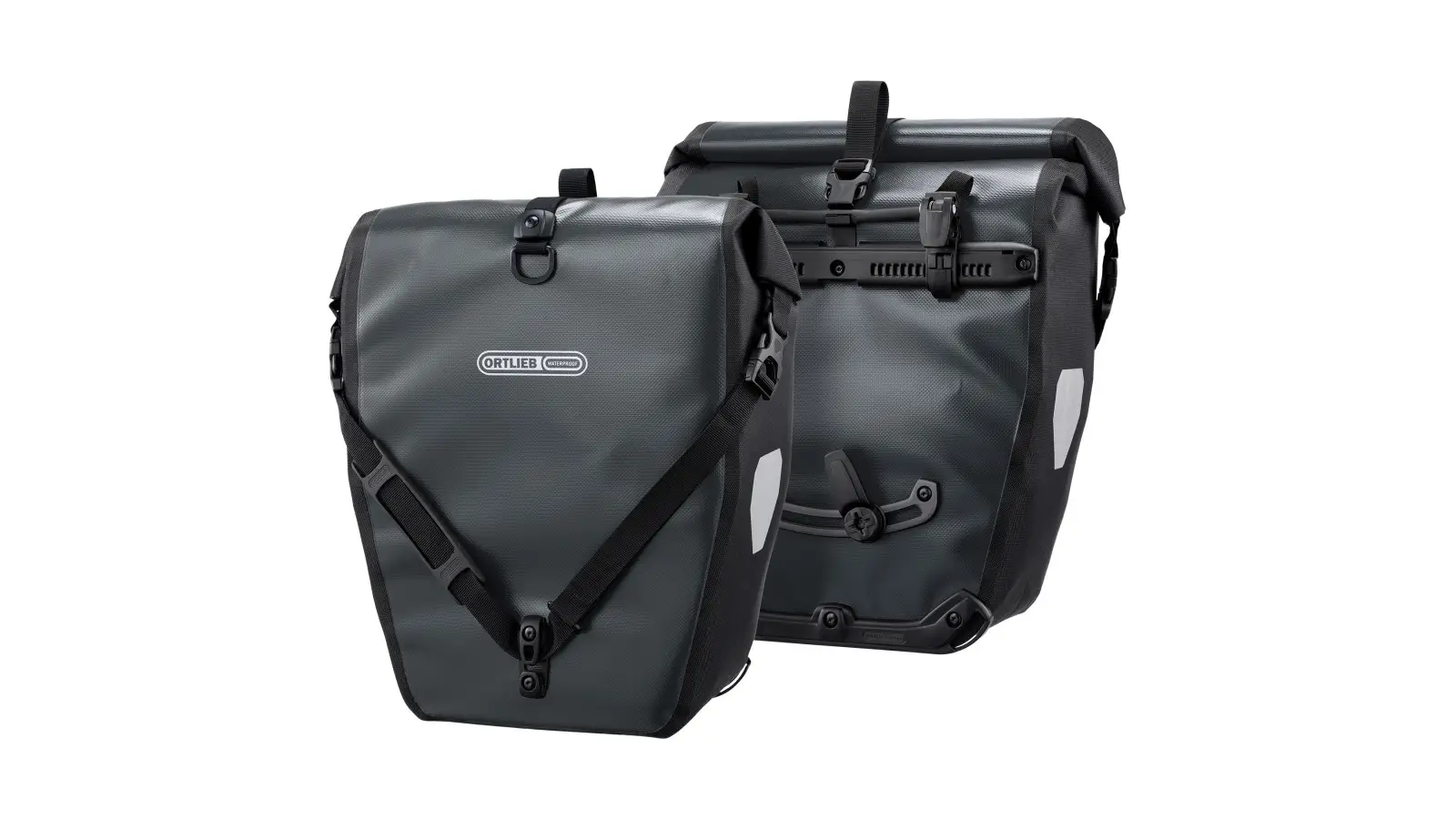
A week on the Vennbahn, a weekend in the Ardennes, or three months heading south. One question remains: where do you put your kit? Two schools of thought have been arguing for ten years, and most shop assistants will answer with a personal preference.
We preferred to look at the numbers. Real weights, volumes, time lost over 100 km, and above all: what actually leaves our Liège and Brussels workshops most often. The result is not the one we expected.
Prices incl. VAT taken from our online catalogue on 9 September 2026. Weights and volumes from official ORTLIEB product sheets. Weight and aerodynamic comparison: tests published by CYCLINGABOUT. Full sources at the end of this article.
853 g
the lightest rack + pannier setup ever weighed, for 38 litres. Lighter than its bikepacking equivalent.
17 min
how far a four-pannier setup trails a bikepacking kit over 100 hilly kilometres at equal load.
15 s
how long it takes to fit an ORTLIEB Quick-Rack. Five seconds to take it off again.
The short answer, if you are in a hurry
Three lines will do. Everything else in this article only explains why.
Rack and panniers you are away for several days, you carry volume, and you want to load and unload in ten seconds at the hotel. This is the choice for bike touring and for daily commuting.
Bikepacking you ride narrow trails, you leave for two or three days, and you want a bike that stays nimble. Nothing sticks out, nothing catches.
Both this is the setup that is gaining ground, and by far the one we fit most often: a removable rack at the back, soft bags at the front. More on that below.
What it is not
→ It is not a weight question. The lightest setup ever weighed is a rack, not a set of soft bags.
→ It is not a question of bike. A gravel bike with no eyelets has been able to take a rack ever since the Quick-Rack appeared.
→ It is not a price question: you can equip a bike for €170 or for €700 in either school.
→ It is a question of volume carried and width of the trail. Those two parameters are enough to decide.
Two systems, two ways of holding the load
One hangs your luggage on an aluminium structure. The other straps it directly to the frame, the saddle and the handlebar. Everything else follows from that.
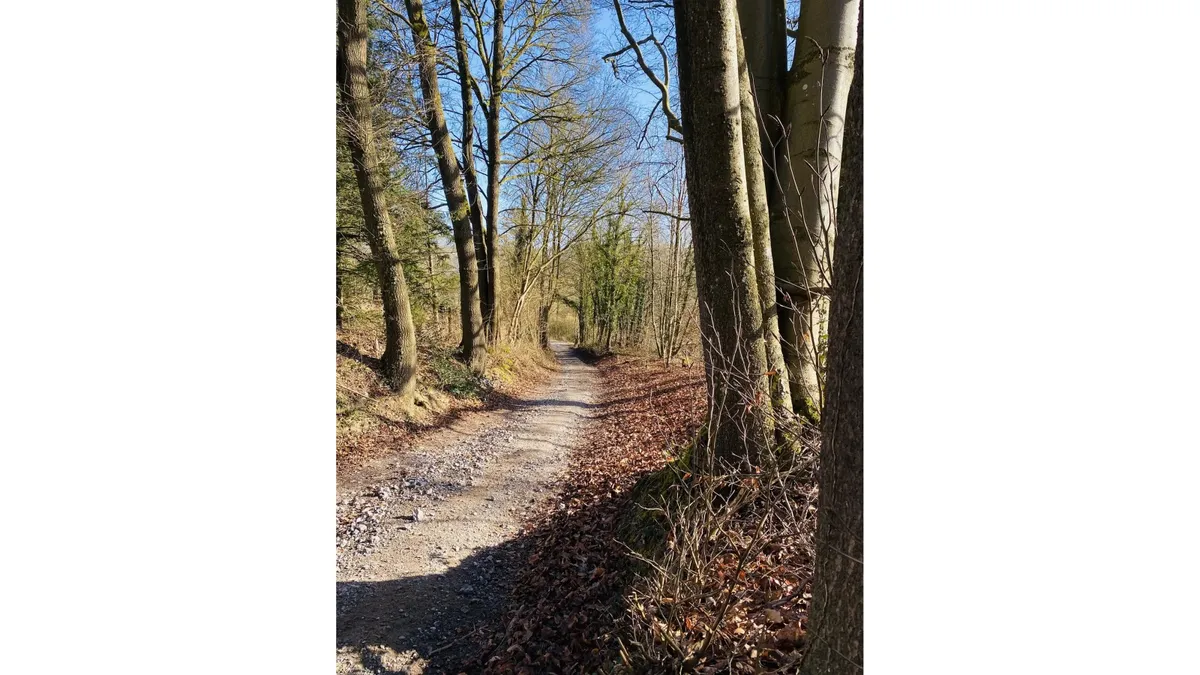
A rack is a metal frame bolted to the bike, onto which panniers clip. The load is carried: it rests on tubes, low and on either side of the wheel. You open, you close, you unclip. Each pannier becomes a bag in its own right once detached.
A bikepacking bag is a soft bag strapped to the bike itself: under the saddle, inside the frame triangle, around the handlebar, along the fork legs. No intermediate structure, so no dead weight — but no rigidity either: the more you load, the more it moves.
That difference explains all the rest: how the bike behaves, what you can take, and how long you spend packing every morning.
Weight: the figure that surprises everyone
Received wisdom says bikepacking is lighter. On the scales, that does not always hold. Here are four setups compared at equal volume, bags empty, measured by CYCLINGABOUT.
853 g an ultralight titanium rack + two waterproof panniers, for 38 litres. This is the lightest of the four.
1,079 g the bikepacking equivalent for 37.5 litres (15 L handlebar pack + 16.5 L seat pack + 6 L frame pack). That is 21 % more.
2,913 g a classic front + rear setup, 50 litres, with two Gravel-Packs and two steel racks. Here the rack loses.
2,123 g the equivalent bikepacking kit for the same 50 litres. Nearly 800 grams less.
In other words: at small volumes, a light rack wins. At large volumes, bikepacking takes the advantage back. And in both cases the gap is measured in hundreds of grams — while the contents of your bags are measured in kilos.
What really costs you time
→ Aerodynamics, not weight. Four panniers sticking out on each side cost roughly 17 minutes over 100 hilly kilometres against a bikepacking kit of the same mass.
→ An extra kilo, by contrast, only costs between 10 seconds (flat) and 90 seconds (hilly) over those same 100 km.
→ Conclusion: if you are chasing performance, look at drag. If you are going travelling, look at how easy it is to pack.
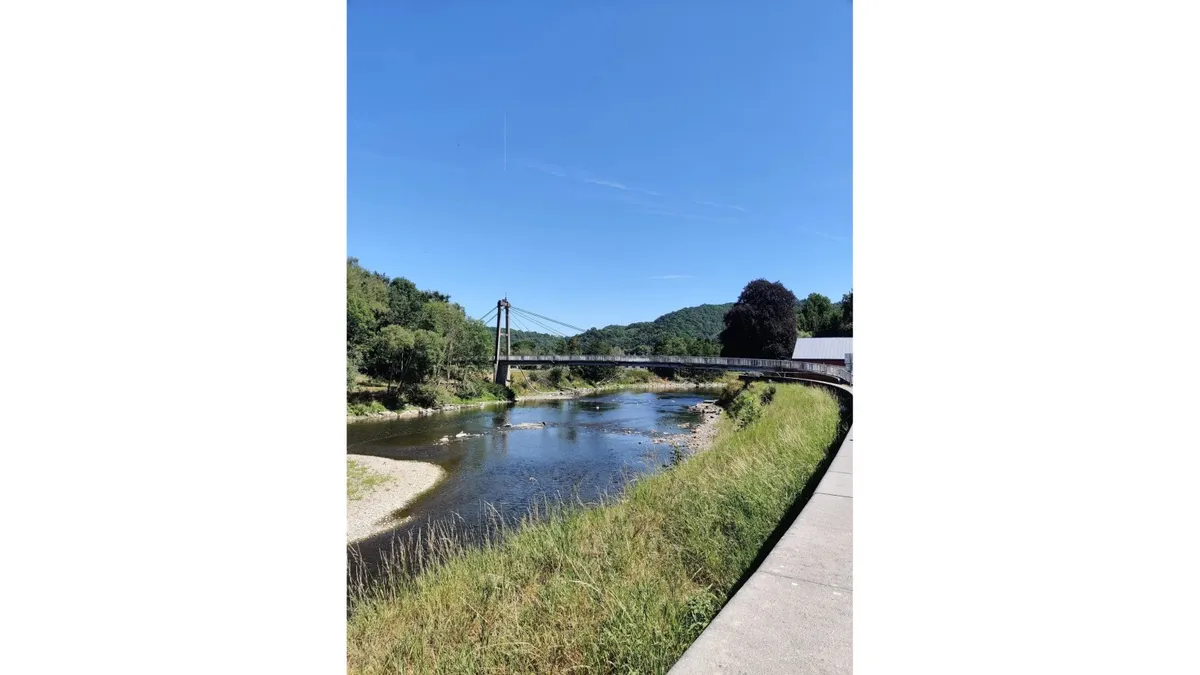
The rack: back in favour
For a long time we thought it belonged to heavy city bikes. One part changed everything: the removable rack that needs no eyelets.
The historic problem with racks was never their weight: it was that half of all bikes could not take one. No eyelets on the seat stays, a thru axle, a carbon frame — and the case was closed.
The ORTLIEB Quick-Rack fits M5/M6 eyelets where they exist, but also mounts via a seat-stay adapter or a dedicated thru axle. It goes on in about fifteen seconds and comes off in five. Its stated maximum load is 20 kg (10 kg per side). In our two workshops it is the ORTLIEB accessory we fit most often — ahead of any bag.
The removable racks
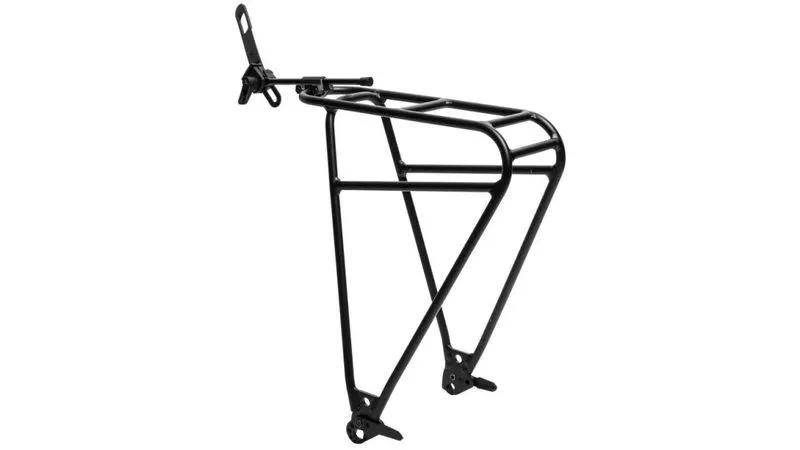
The benchmark removable rack. Aluminium, 20 kg load, fitted in fifteen seconds even without eyelets. The one we fit most often.
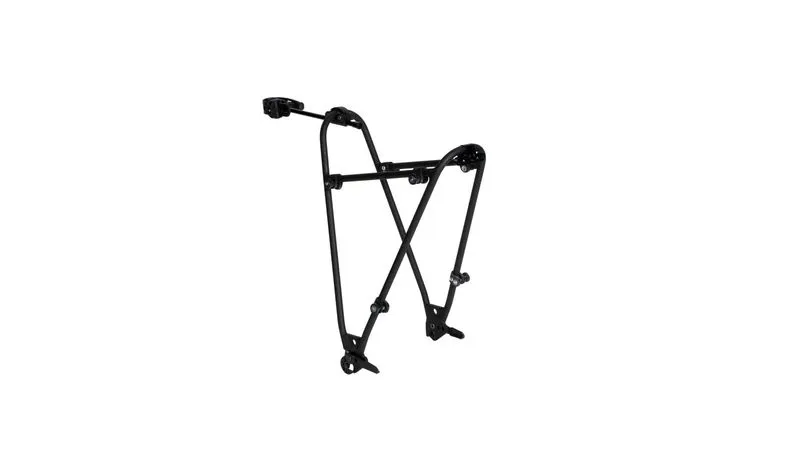
The lightened version of the Quick-Rack, for road and gravel bikes that never carry heavy loads. Same quick-fit principle.
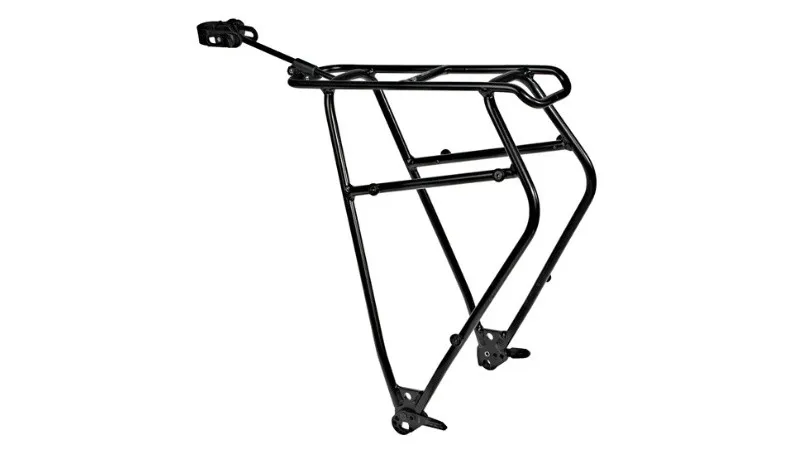
Wide tyres, electric bikes and more serious loads: 12 mm tubes and a higher maximum load. Takes up to 29 × 3.0 inches.
Once the rack is fitted, the panniers clip onto it. The QL2.1 system accepts tubes from 8 to 16 mm in diameter, with reduction inserts supplied. The « Roller » models are waterproof to IP64, provided you roll the closure down three to four times.
The panniers that clip onto it
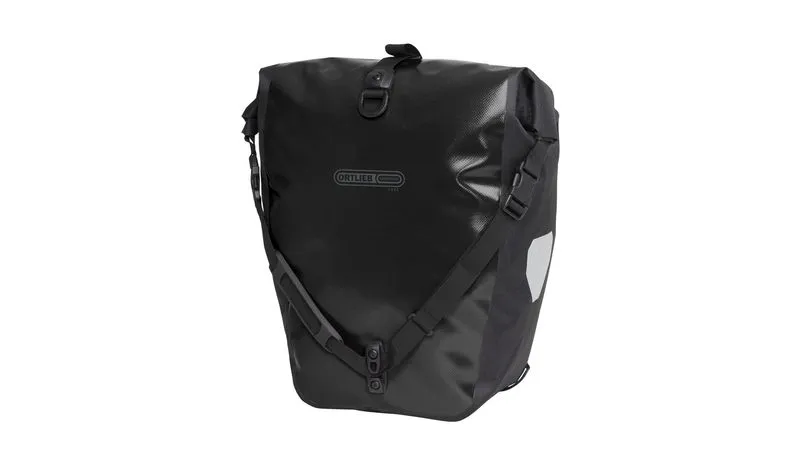
The best-known touring pannier in the world, sold as a pair, 40 litres in total. Roll closure, IP64 waterproofing, made in Germany.
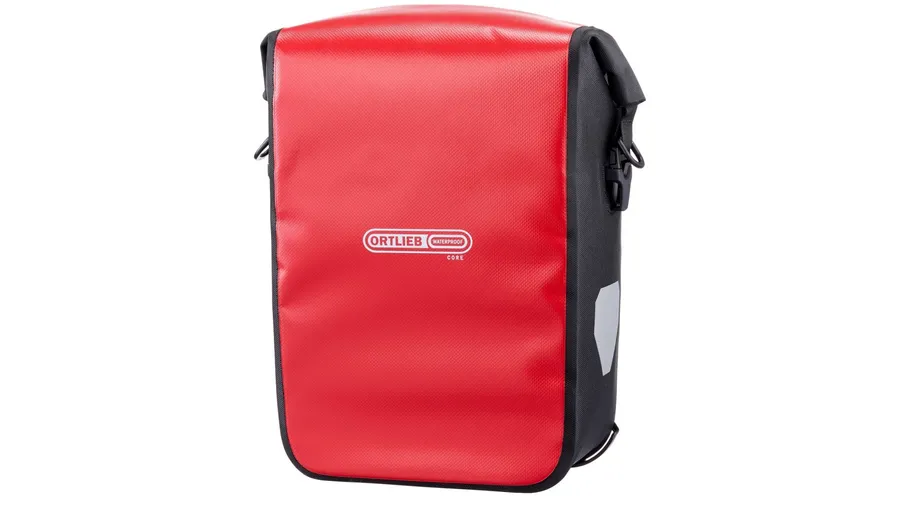
The entry point among front panniers, 14.5 litres per pair. Also fits at the rear on a small rack, for a light weekend.
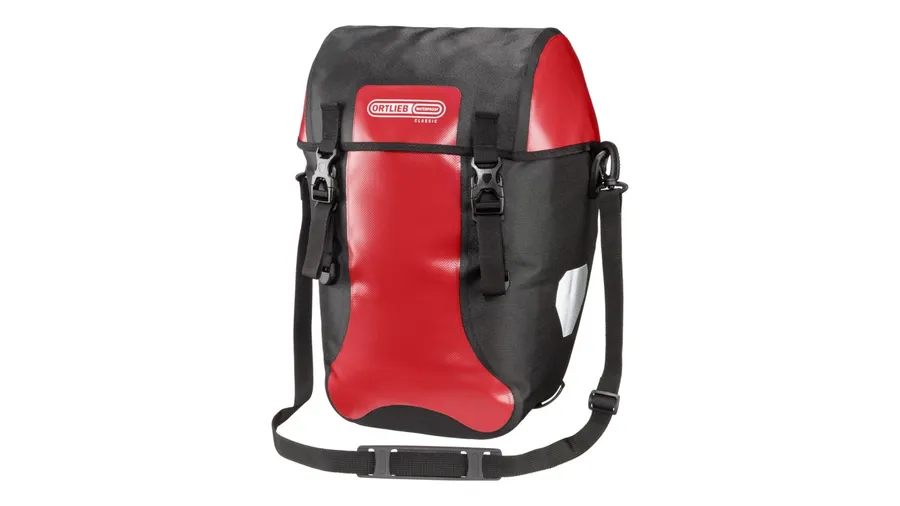
The long-haul model: 40 litres, thicker fabric, outer pockets. Designed to be put down on the ground every evening for months.
Bikepacking: the bike stays a bike
Four bags, four locations, no added structure. That is the answer when the trail narrows and you are not carrying enough to camp with six people.
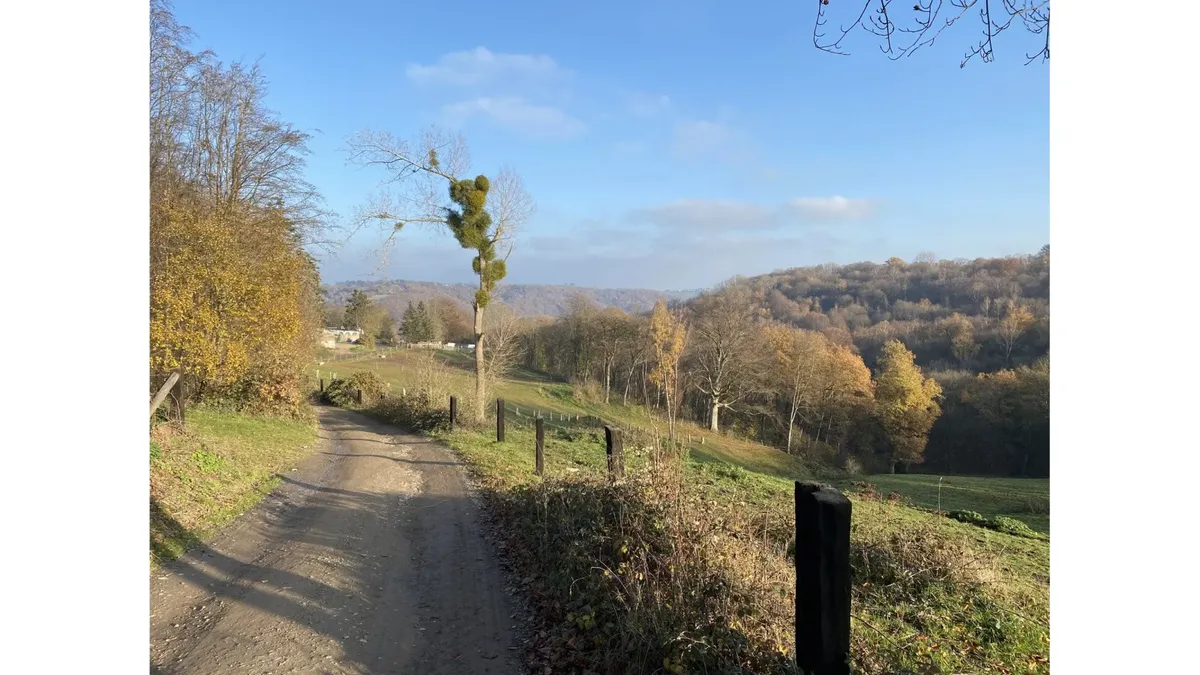
A complete bikepacking kit is almost always made of the same pieces, each with a very precise role:
Seat pack the largest volume in the kit (7 to 16 litres). It takes what is light and bulky: sleeping bag, clothes, mat. Limited payload — 3 kg on an 11 L Seat-Pack. That is a constraint, not a detail.
Handlebar pack 9 to 15 litres, roll closure. The tent, the groundsheet, the down jacket. Watch the width: it eats into the space between your hands and the cables.
Frame pack 3 to 6 litres, inside the triangle. This is the best spot on the bike: low, centred, invisible to the wind. Reserve it for heavy items — tools, water, power bank.
Fork packs 4 to 6 litres per side, on the fork legs. They rebalance a setup that has become too rear-heavy. They require mounting points on the fork.
These are the pieces we keep in stock in Liège and Brussels. All of them are waterproof and carry a five-year manufacturer warranty.
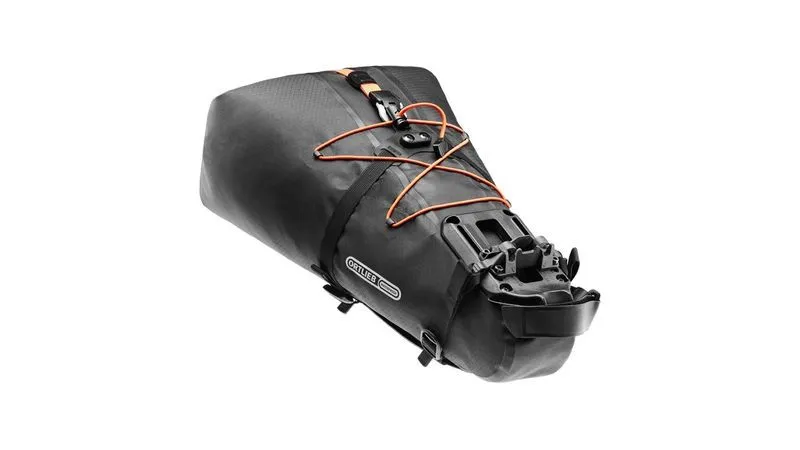
A 13-litre seat pack with quick release: it unhooks from its mount without undoing the straps. The biggest volume in a bikepacking kit.
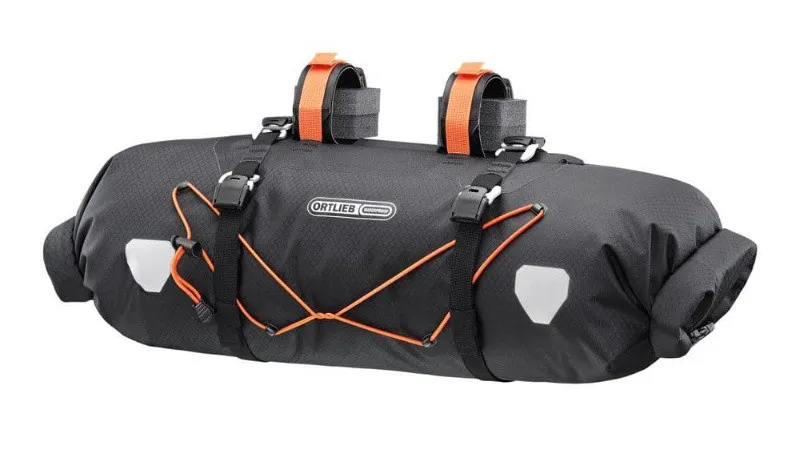
A 15-litre roll-closure handlebar pack. It takes what is light and bulky: tent, sleeping bag, down jacket. Closes at both ends.
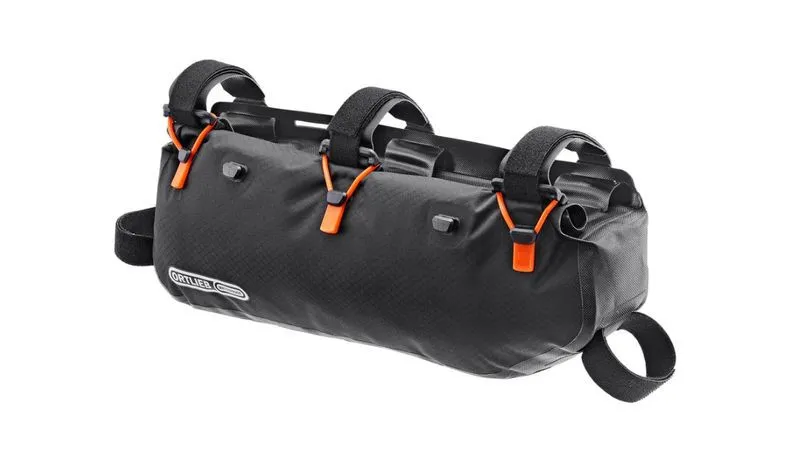
Top tube pack, 3 litres, bolted to the bottle eyelets. The best place for heavy items: low, centred, out of the wind.
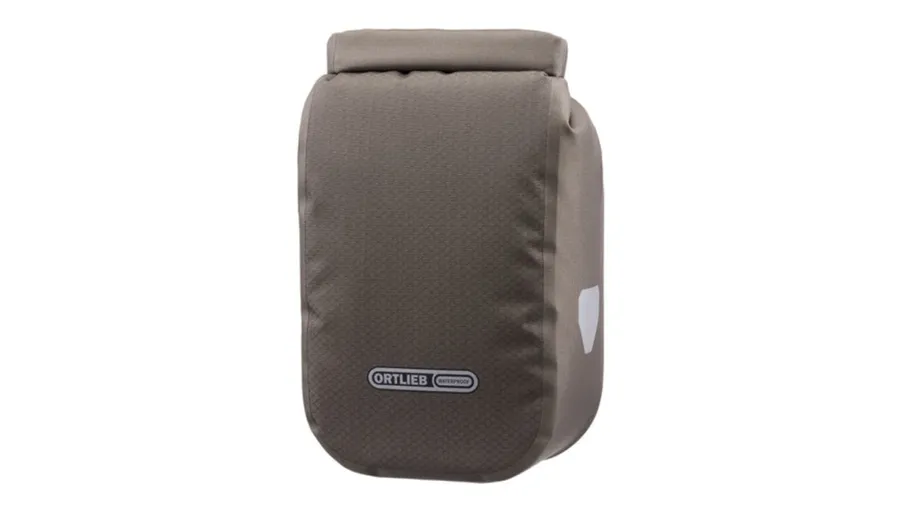
A 5.8-litre fork pack, one per fork leg. This is the piece that rebalances a bike that has become too rear-heavy.
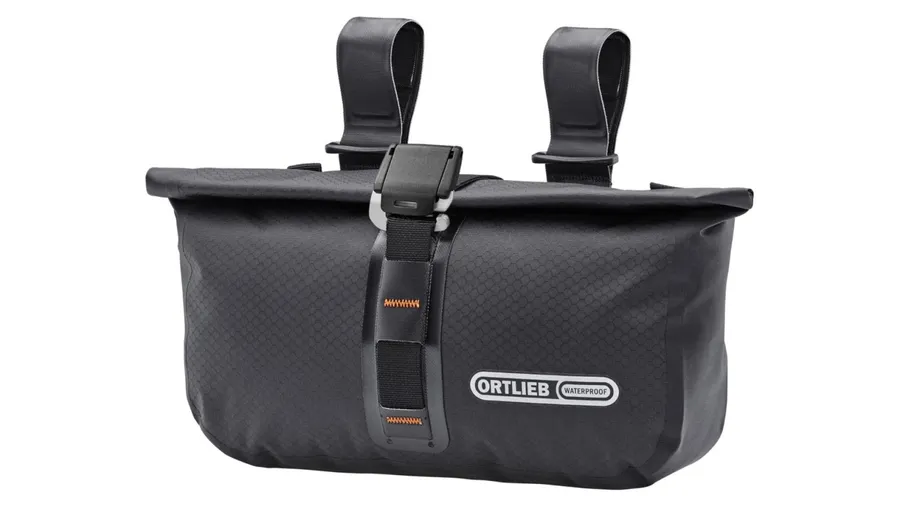
The small bag that attaches to the handlebar pack: phone, wallet, snack. Reachable while riding, unlike the rest of the kit.
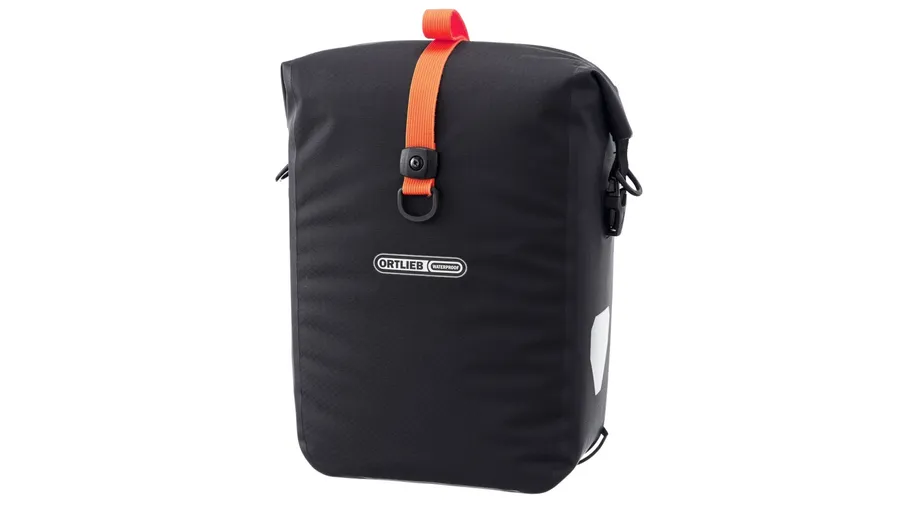
A 14.5-litre front pannier pair designed for gravel forks. The bridge between the two schools: it clips on, but stays compact.
The winning setup: both at once
This is the setup we most often see leaving the shop, and it is not a soft compromise. A removable rack at the back with a pair of waterproof panniers. A frame pack and a handlebar pack at the front. Nothing more.
You get the volume and packing comfort of a rack for what is heavy, the compactness of bikepacking for what is bulky, and a bike that goes back to being a bare bike in a minute when Sunday's ride comes around. The Quick-Rack comes off in five seconds, no tools.
Three checks before you buy
→ The tube diameter of your rack: the QL2.1 hook covers 8 to 16 mm with the supplied inserts. Beyond that, it will not clip on.
→ Clearance under the seat pack: you need enough exposed seatpost, and a tyre that does not rub when the bag sags. On a small frame, measure it.
→ The fork mounting points: without them, no fork packs. Hose clamps are not a durable solution on carbon.
The questions we get asked in the shop
Does a rack spoil the handling?
It changes it, it does not spoil it. The load sits low and centred over the wheel, which makes the bike very stable in a straight line — clearly more so than a big seat pack swaying with every pedal stroke. The bike does become lazier to lean, though. On roads and rolling tracks that is a gain. On singletrack it is a nuisance.
Can I fit a rack to my thru-axle gravel bike?
Yes, in the vast majority of cases. ORTLIEB offers a dedicated M6 thru axle that replaces yours and creates the missing anchor points, plus a seat-stay adapter. Bring the bike in; we check the thread and the tyre clearance in five minutes.
Are my panniers really waterproof?
Roll-closure models are rated IP64, meaning dust-tight and protected against splashing water from all directions — provided you roll the closure three to four times and clip it downwards. Two turns, and water eventually gets in over the top. That is the most common mistake.
How many litres for a week?
Count on 35 to 45 litres for a week in hotels or guesthouses, 55 to 70 litres if you camp and cook. Below 25 litres we are talking about a weekend without a tent. These figures are for summer; winter easily adds 10 litres of clothing.
And on an electric bike?
The rack wins, almost every time. The motor absorbs the extra weight and aerodynamics matter less when the assistance holds you at 25 km/h. Watch the clearance around the battery on the down tube, though: a frame pack is often impossible to fit.
Our sources
Weight and aerodynamic comparison of setups: CYCLINGABOUT, « Panniers vs Bikepacking Bags: Can Panniers Actually Be Lighter? » (cyclingabout.com).
Volumes, weights, maximum loads, IP64 waterproof rating, Quick-Lock2.1 system, Quick-Rack fitting time and 5-year warranty: official ORTLIEB product sheets (ortlieb.com), a manufacturer based in Heilsbronn, Germany.
Prices incl. VAT: KAMEO Bikes online catalogue, recorded on 9 September 2026.
Workshop fitting frequency: internal KAMEO Bikes data, Liège and Brussels workshops.
Not sure what will fit your bike?
Drop by with the bike. We measure the eyelets, the tyre clearance and the seatpost, and you leave with the answer — not with a quote.