
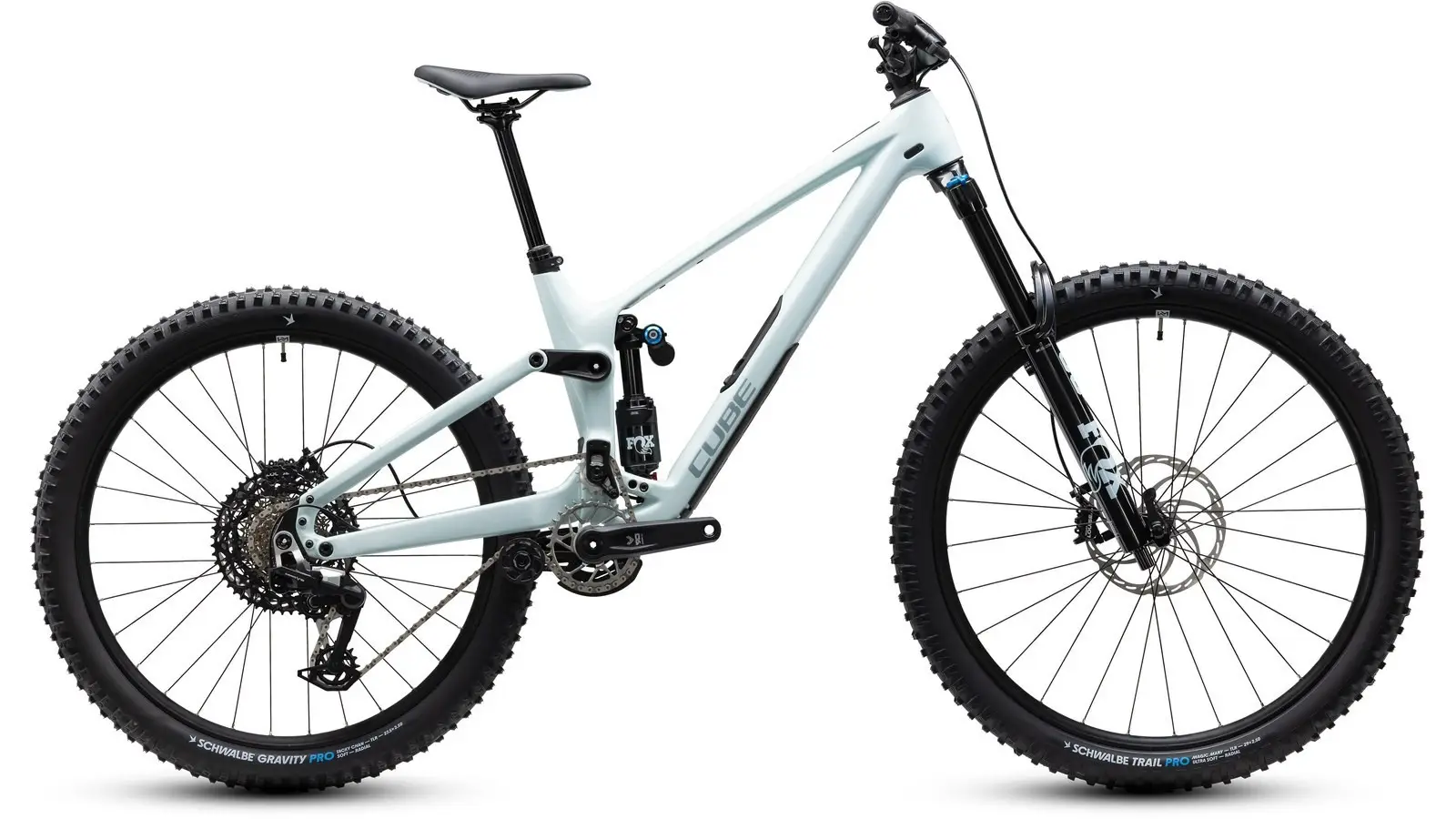
"27.5 or 29 inch?" It's the question we hear most in front of our mountain bikes. And for a few seasons now, a third answer has joined the chat: the mullet setup, with a big wheel at the front and a smaller one at the back.
We explain what really changes from one size to the other, why almost all mountain biking moved to 29 inch in about ten years, and who the mullet is for. No jargon, and bikes from our range to show you what we mean.
Dates and race results come from the UCI and the specialist press (Mountain Bike Action, BikeRadar, BIKE, ENDURO Mountainbike Magazine, Pinkbike). Wheel sizes and prices incl. VAT were taken from our online catalogue on 16 September 2026. Full sources at the end of the article.
38 mm
difference in diameter between a 29-inch rim (622 mm) and a 27.5-inch rim (584 mm).
+5%
more ground covered with every turn of a 29-inch wheel. That's all the momentum you keep on the trail.
2019
the first season mullets were allowed in the World Cup. One won the very first downhill race.
The short answer, if you're in a hurry
Three setups, three personalities. The rest of the article explains why.
29 inchtoday's default choice. The bike rolls better over roots and rocks, holds its speed and feels reassuring. It's the standard in cross-country, trail and on most electric mountain bikes.
27.5 inchlivelier, easier to turn and to lift. It's still the right choice for smaller riders, often on XS and S sizes, and for leisure mountain bikes that put handling first.
Mullet (29 / 27.5)29 inch at the front for confidence, 27.5 at the back for agility. It's the setup of enduro and downhill bikes, and more and more of hard-hitting e-MTBs.
What matters more than wheel size
→ The right frame size. A 29er that's too big will always be less fun than a 27.5 that fits you well.
→ The kind of terrain you actually ride: flowing Ardennes tracks, steep technical trails or rides in the woods.
→ Your tyres and their pressure. They change how a bike behaves as much as an inch of diameter does.
Where do these sizes come from?
The "inches" on a mountain bike are a historical name, not an exact measurement. What counts is the rim diameter, standardised in millimetres.
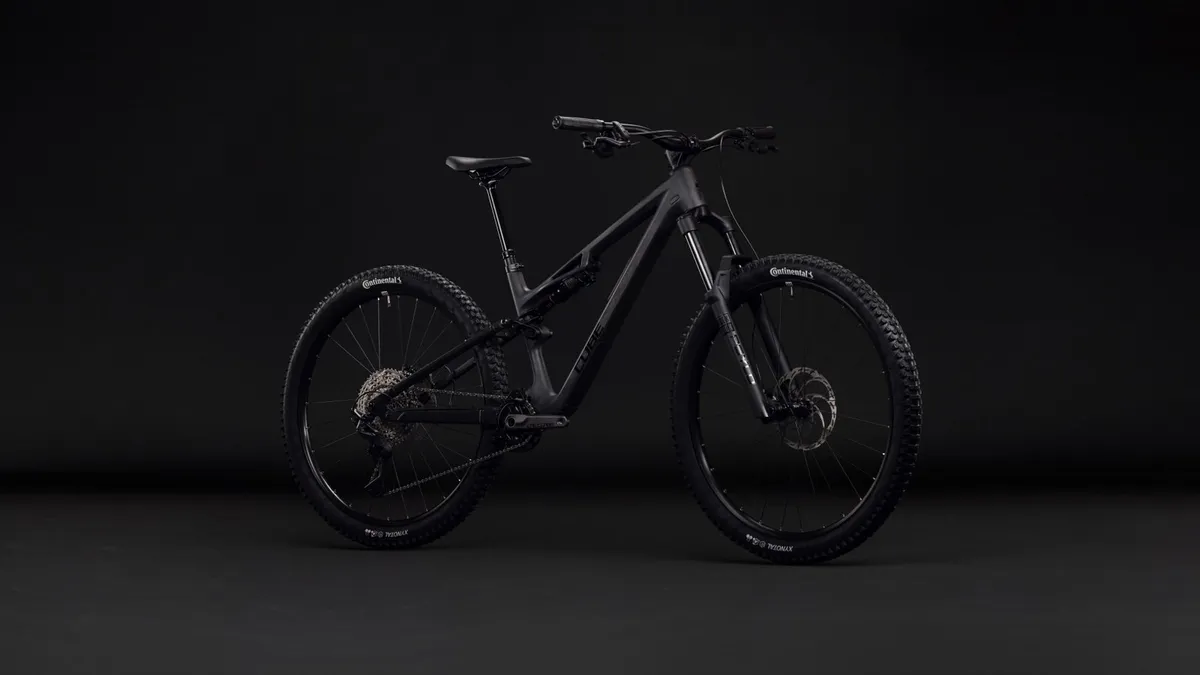
The first mountain bikes, born in California in the late 1970s, rolled on 26-inch wheels (559 mm rim). Gary Fisher, Joe Breeze and Charlie Kelly simply used wheels from American "cruiser" bikes, the only ones tough enough at the time. The 26-inch wheel stayed the norm for over thirty years.
The 29-inch wheel uses the same rim as a road or touring bike (622 mm, the well-known "700C"), but with a mountain bike tyre. The idea was around in the early 1980s. It really took off in 1999 with the first MTB tyre in that size, then in 2001, when Gary Fisher launched his "Two Niner" and made the word 29er popular.
The 27.5-inch wheel (584 mm rim, also called 650B) is the newest on mountain bikes, even though touring bikes had used it for years. It arrived around 2012 as the perfect compromise: "almost as nimble as a 26, almost as fast-rolling as a 29". Between 2013 and 2017, it wiped the 26-inch wheel off new bikes.
What a bigger wheel really changes
You might think 38 mm wouldn't make much difference. On the trail, it's quite the opposite. Here's what you'll notice on your very first ride.
It rolls over morea big wheel meets a root or a step at a gentler angle. The bike rolls over the obstacle instead of hitting it. For you: fewer jolts and fewer unexpected stops.
It keeps momentuma 29-inch wheel is about 2.31 m around, against 2.19 m for a 27.5, so roughly 5% more ground per turn. For you: the bike slows down less on rough sections.
It grips betterthe tyre's contact patch with the ground is longer. For you: more traction on slippery climbs and safer braking, a real bonus in Belgian rain.
It's more stablebrands had to make bikes longer to fit these big wheels. For you: you sit more centrally on the bike and feel safer on the descents.
And what you lose
→ A bit of liveliness: a big wheel takes a little longer to pick up speed and to change direction in tight corners.
→ A bit of weight: the rim, spokes and tyre are longer, so slightly heavier.
→ Room for smaller riders: the rear tyre can hit the saddle on descents when you shift your weight back. That's why many brands keep 27.5 on small sizes.
Why almost all mountain biking moved to 29 inch
The 29er had a bad name for a long time. Early models had wheels that flexed, frames too tall for smaller riders, and toes that hit the front wheel in slow turns. Three things changed the market.
1. Racingat the 2012 London Olympics, Czech rider Jaroslav Kulhavý beat Nino Schurter in a sprint. The first rode a 29er, the second a 27.5. Schurter switched to 29 inch and became Olympic champion in Rio in 2016. Today, the whole cross-country field rides 29ers.
2. Downhill toopeople thought 29 inch was only for cross-country. In 2018, Greg Minnaar took the first 29-inch wins in the Downhill World Cup, at Fort William and then Lenzerheide. In 2019, Amaury Pierron became the first to win the Downhill World Cup overall on 29-inch wheels.
3. Modern geometrybikes got longer and more stable, and forks got stiffer. The flaws of the early 29ers disappeared. Since around 2018, 29 inch has ruled cross-country, trail, enduro and downhill.
Not everyone is convinced, though. Downhill world champion on 27.5-inch wheels in 2018, Loïc Bruni summed up the debate for the UCI: big wheels "roll really well" and "keep the speed better", but "27.5 is not dead. A good rider is fast on any wheel size."
What comes after 29? 32 inch is on its way
→ The UCI has allowed 32-inch wheels in racing from 2026. A few prototypes exist, notably from BMC and KTM.
→ In early 2026, several World Cup racers were sceptical, especially smaller riders, who fear being at a disadvantage.
→ For you, there's no rush: 32-inch tyres, rims and forks are still rare. 29 inch will stay the benchmark for several more seasons.
Our 29-inch mountain bikes
From a first hardtail to a full-suspension e-MTB, here are some bikes from our range that roll on 29-inch wheels in every size available.
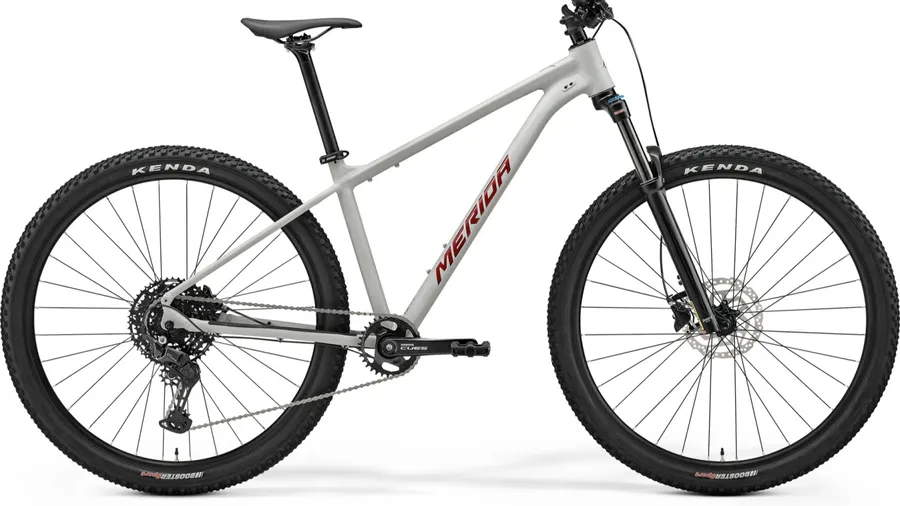
29-inch hardtail with wide 2.4-inch tyres. A perfect way into trail riding without breaking the bank.
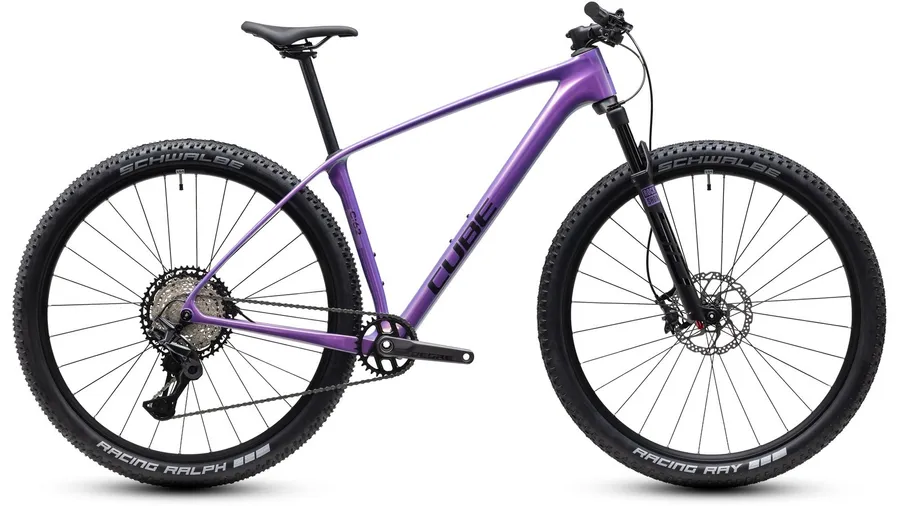
Carbon 29-inch cross-country bike. Light and efficient, built to ride fast and far on flowing trails.
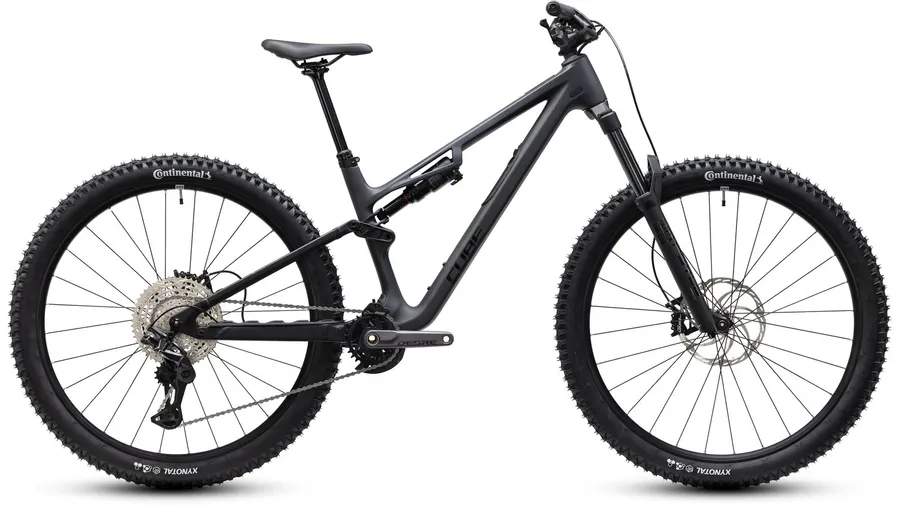
29-inch full-suspension trail bike with 150 mm at the front. The ease of a 29er on rough ground, without a motor.
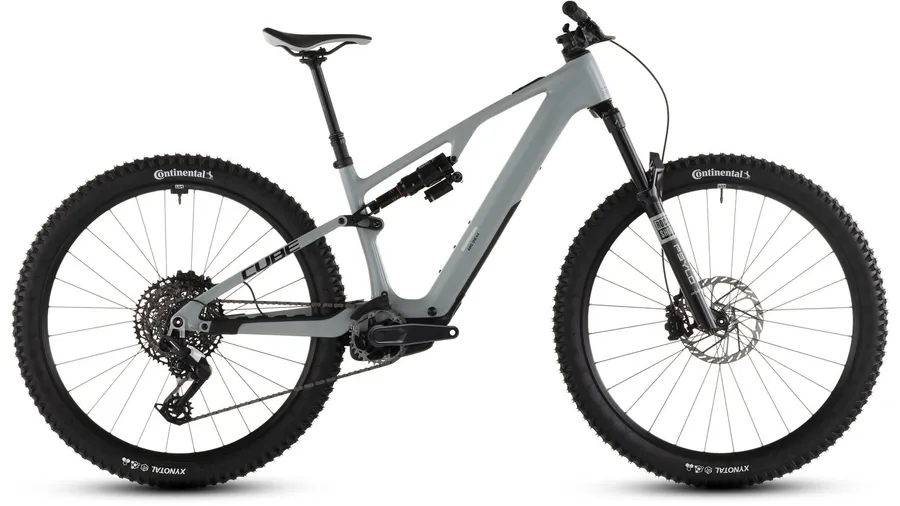
Lightweight 29-inch e-MTB. Discreet assistance that keeps the feel of a regular mountain bike.
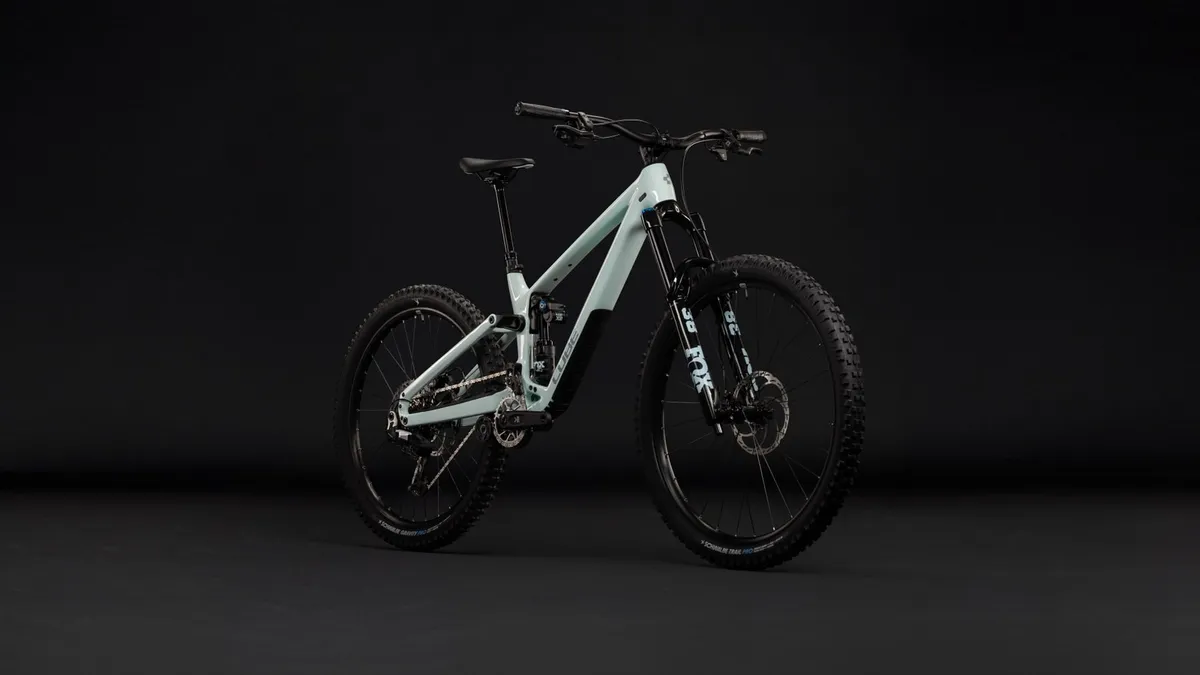
The mullet setup: the best of both worlds?
A mullet is a mountain bike with a 29-inch wheel at the front and a 27.5-inch wheel at the back. You'll also hear "MX" or "mixed wheels". The name comes from the haircut: "business at the front, party at the back".
The idea is simple. At the front, the big wheel brings what we love about 29 inch: it rolls over obstacles better, grips better and feels safe on steep ground. At the back, the small wheel makes the bike more playful: it turns tighter, picks up speed faster and leaves more room between tyre and rider when you move back on a steep descent.
The concept isn't new. Cannondale was already mixing two wheel sizes in 1984, and the Specialized BigHit paired a 26-inch front wheel with a 24-inch rear as early as 2004. The real turning point came in 2018, when the UCI allowed different wheel sizes from the 2019 season.
Instant resultsin 2019, Loïc Bruni won the first round of the Downhill World Cup on a mullet, ahead of Danny Hart, also on a mullet. Belgian rider Martin Maes won the first three rounds of the Enduro World Series on a 29/27.5 GT.
Then mass productionin 2020, Specialized released a downhill bike (the Demo) designed from the start as a mullet. According to the brand, this setup offers "the manoeuvrability of a 27.5 with the rollover and absorption of a 29". Today, the mullet is the dominant setup in the Downhill World Cup.
And on e-MTBsan e-MTB is heavy and very stable. A 27.5-inch rear wheel gives it back some liveliness in tight turns. That's why you'll find mullets on many enduro e-MTBs, such as the Moustache Clutch or the Cube Stereo Hybrid ONE77.
Mullet or 29 inch: which is faster?
British magazine BikeRadar put it to the test with one single bike, changing only the rear wheel, and electronic timing. The result is less clear-cut than you might think.
Downhill trackon a steep, rough track in Wales, the 29er was slightly faster: 2 min 46 s against 2 min 50 s, a gap of about 0.5%.
Twisty trailon a more winding course, the mullet came out on top, about 1% ahead.
The verdictaccording to the tester, the fastest setup "depends on the terrain and riding style". Even so, he preferred the mullet, for its agility and the extra room at the back.
Our advice at the counter
→ You mostly ride flowing trails, do long rides or love climbing: go for 29 inch.
→ You're after steep, technical trails, tight turns and playful descents: a mullet will give you more fun.
→ You're on the shorter side: a mullet or 27.5 stops the rear wheel hitting the saddle. Canyon, for example, only offers its smallest size as a mullet.
→ Don't convert a 29er to a mullet yourself unless it's designed for it: the bottom bracket drops, the seat angle changes and your pedals may hit the ground. Some frames, like the Cube FRITZZ, are built to switch between the two.
Our mullet mountain bikes
All these bikes come as standard with a 29-inch wheel at the front and a 27.5-inch wheel at the back. You'll mostly find them in enduro, where the mullet makes the most sense.
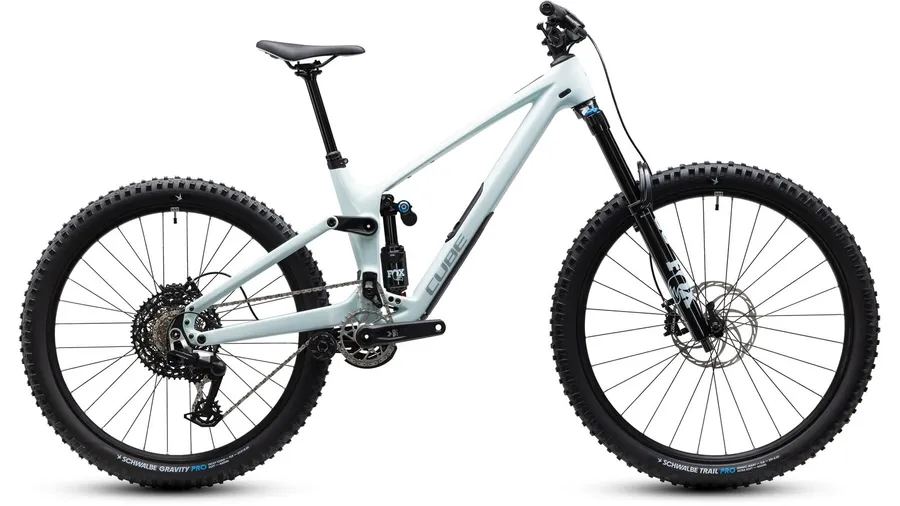
170 mm carbon enduro bike, supplied as a mullet. Its interchangeable chainstay lets you switch back to full 29 inch.
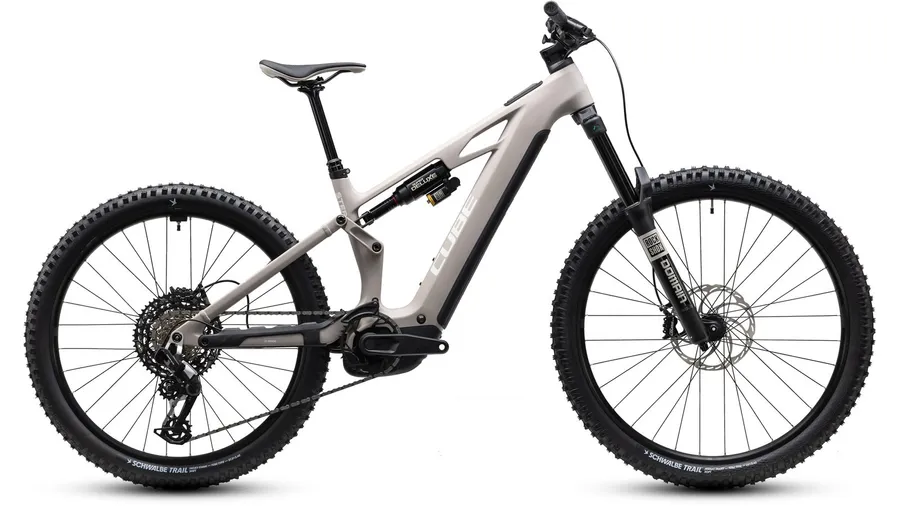
170 mm enduro e-MTB with a mullet setup. The big wheel gives confidence up front, the small one keeps the bike lively despite the motor.
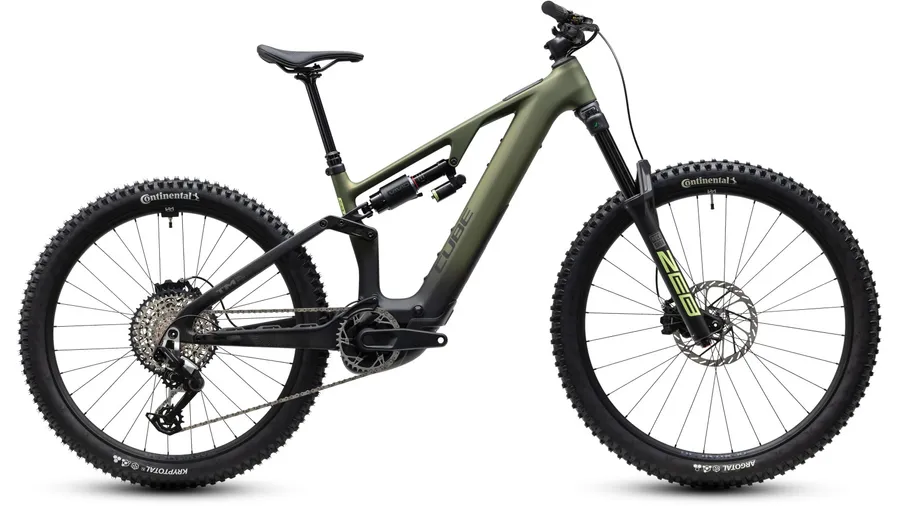
170 mm carbon e-MTB on 29/27.5 wheels. For riders who want assistance without giving up the fun.
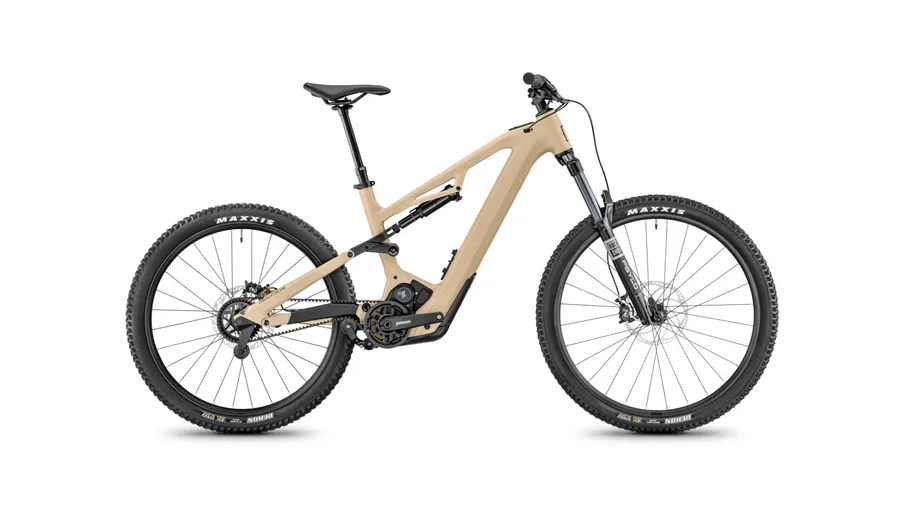
150 mm e-MTB, assembled in France, with a mullet setup. A versatile enduro bike that stays playful.
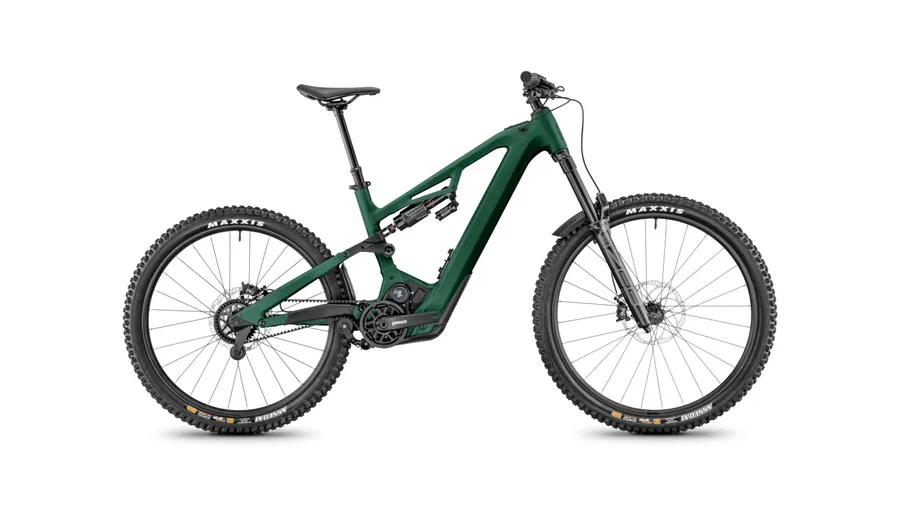
The 170/160 mm version of the Clutch, as a mullet. Made for the most demanding descents.
To find out more about these brands, read our articles Cube: which model for which use and the story of Moustache Bikes.
27.5 inch still has its place
27.5 inch hasn't disappeared: it has moved. At Cube, for example, several models change wheel size depending on frame size, so every rider gets a bike that fits. You'll also find it on leisure e-MTBs, where easy handling and easy access matter more than speed.
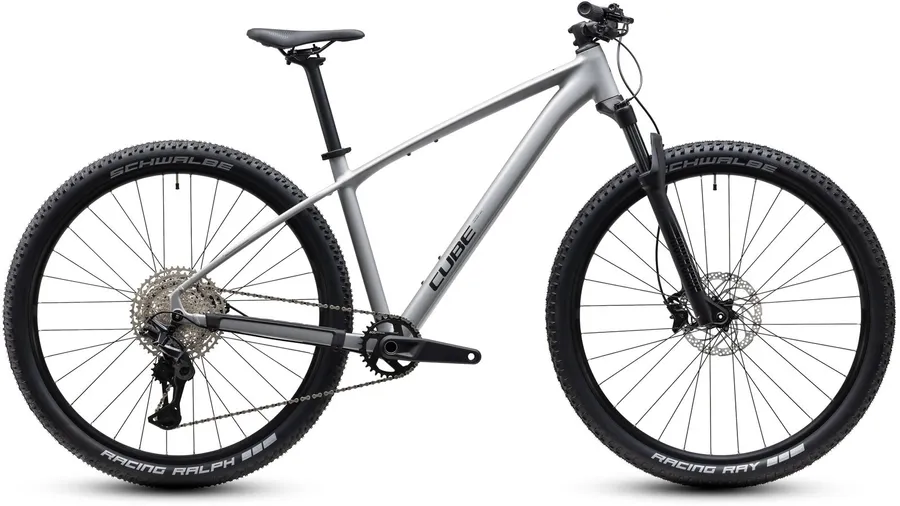
29-inch hardtail, but 27.5 inch on XS and S sizes. Every rider gets the right wheel for their size.
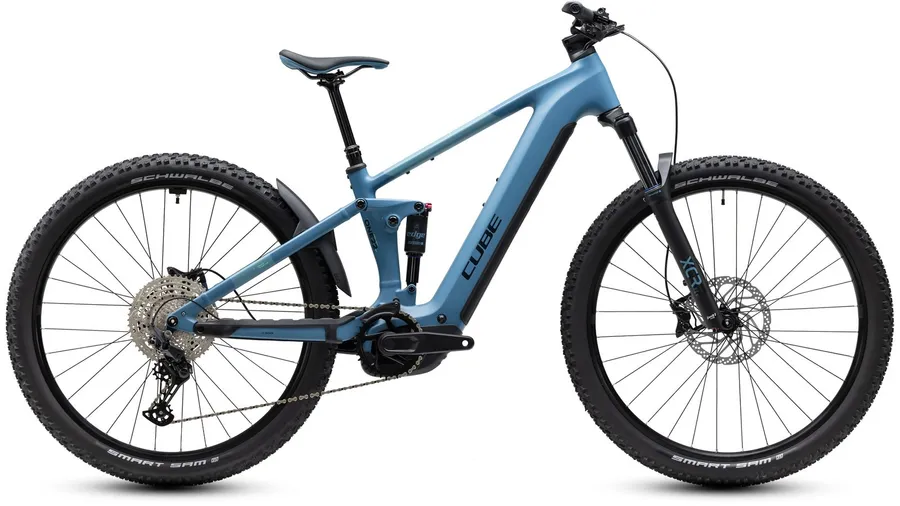
Trail e-MTB: size S rolls on 27.5-inch wheels, sizes M to XL on 29 inch.
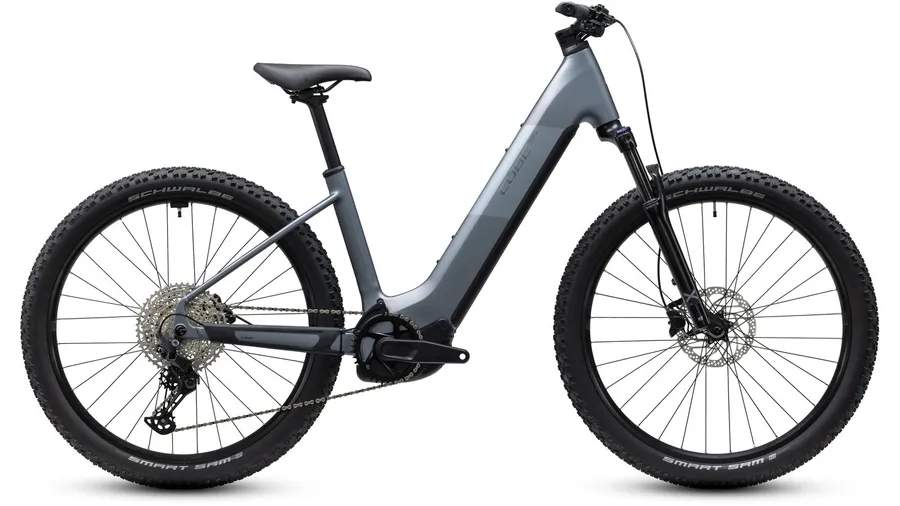
Step-through e-MTB, 27.5 inch in every size. Easy to get on, easy to handle.
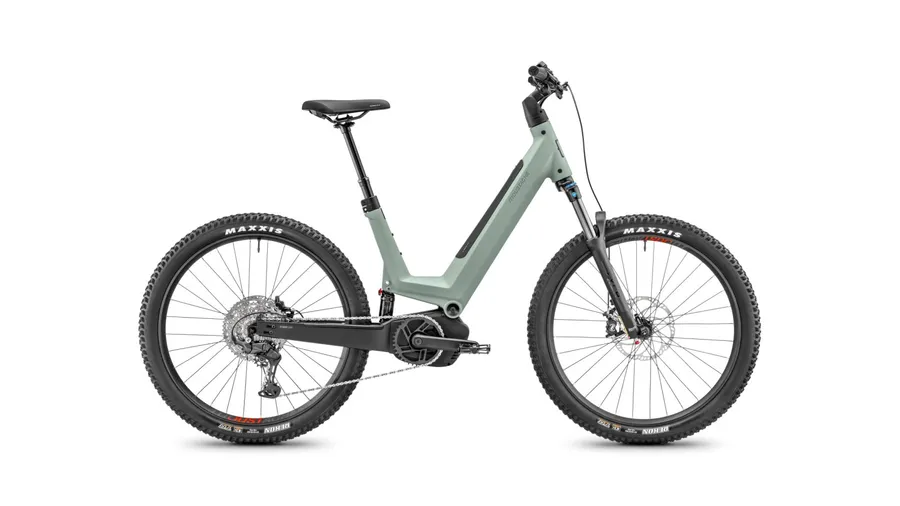
Full-suspension leisure e-MTB on 27.5-inch wheels. Comfort and handling before performance.
Questions we get asked in store
I'm 1.60 m tall. Can I ride a 29er?
Often yes, with modern geometry. But on small frames, many brands deliberately switch to 27.5 inch or a mullet so the rear wheel doesn't hit the saddle on descents. The best thing is to try: we'll let you ride both in store, and you'll feel the difference in a few minutes.
Is a mullet worse at climbing?
A little, especially on technical climbs. The smaller rear wheel lowers the back of the bike slightly, which moves your position backwards. On an e-MTB, the motor more than makes up for it. On a bike without a motor, it's worth thinking about if you love climbing.
Can I turn my 29er into a mullet?
Only if the frame allows it, with an adjustable part or a dedicated chainstay. Otherwise, the bottom bracket drops, your pedals hit the ground more often and your position changes. Bring the bike in: we'll check what the manufacturer allows before touching anything.
My old mountain bike has 26-inch wheels. Can I still get parts?
Yes, 26-inch tyres and inner tubes are still easy to find. The choice is more limited for complete wheels and high-end forks, though. If your bike still rides well, we can service it with no trouble in our Liège and Brussels workshops.
Does a mullet need different tyres front and back?
Yes, because the two diameters are different: you need a tyre and an inner tube (or sealant if you run tubeless) for each size. Bear it in mind when you carry a spare tube: take the rear one, as that's the wheel that punctures most often.
Our sources
Origin of the 26-inch wheel, arrival of 29 and 27.5 inch, disappearance of 26 inch between 2013 and 2017, dominance of 29 inch since 2018 and arrival of 32 inch: BIKE Magazin, "Mountain bike wheel sizes: the story from 26 to 32 inches" (bike-magazin.de).
ISO rim diameters (559, 584 and 622 mm), first 29-inch MTB tyre (1999), Gary Fisher's "Two Niner" (2001) and flaws of the early 29ers: Wikipedia, article "29er (bicycle)".
London 2012 Olympics (Kulhavý on 29, Schurter on 27.5), Schurter's switch to 29 and his Rio 2016 title, wheel circumferences of 91.1 and 86.4 inches: Mountain Bike Action, "Looking back to 2012", and Tread MTB, "The real reason Nino Schurter switched to 29-inch wheels".
Greg Minnaar's 2018 wins, Amaury Pierron's 2019 overall title and quotes from Loïc Bruni: UCI, "27.5" vs 29" – the debate continues" (uci.org).
UCI approval of mixed wheels for 2019, wins by Loïc Bruni and Danny Hart, Martin Maes's Enduro World Series hat-trick, Cannondale 1984: Mountain Bike Action, "29/27.5 mixed-wheel downhill bikes take over the world".
2020 Specialized Demo and the brand's quote: BikeRadar, "Specialized brings mullet wheels to the masses with 2020 Demo".
Timed test of mullet against 29 inch: BikeRadar, "What's faster, a 29er or mullet bike setup?".
Pros and cons of the mullet, 2004 Specialized BigHit: ENDURO Mountainbike Magazine, "Should I mullet my mountain bike?" (enduro-mtb.com).
Choosing by terrain and rider size, smallest size offered only as a mullet, risks of converting: Canyon, "Mullet vs. 29er MTB" (canyon.com).
Approval of 32 inch in 2026 and riders' views: Pinkbike, "What do World Cup XC athletes really think about 32" wheels?" (6 January 2026).
Prices incl. VAT, wheel sizes and suspension travel: KAMEO Bikes online catalogue, checked on 16 September 2026.
29 inch or mullet: still can't decide?
Come and compare our mountain bikes in Liège or Brussels. We'll help you choose the right frame size and the right wheel size for your trails.